Nutrition · varnorexwhraleu.world
Education-first nutrition notes
This is the longer companion to our Conscious page. Here we get closer to the language of the plate, the grocery list, and the label—always in a descriptive, non-clinical register. A registered dietitian or your clinician remains the right source when your health picture is more than a general read can cover.
We write for a U.S. audience who shops in a mix of big-box stores, neighborhood markets, and online boxes. Yields, brands, and seasonal gaps will not match every kitchen; treat the lines below as a workshop sketch you can mark up.
Six building blocks to rotate
Plate geometry as a story
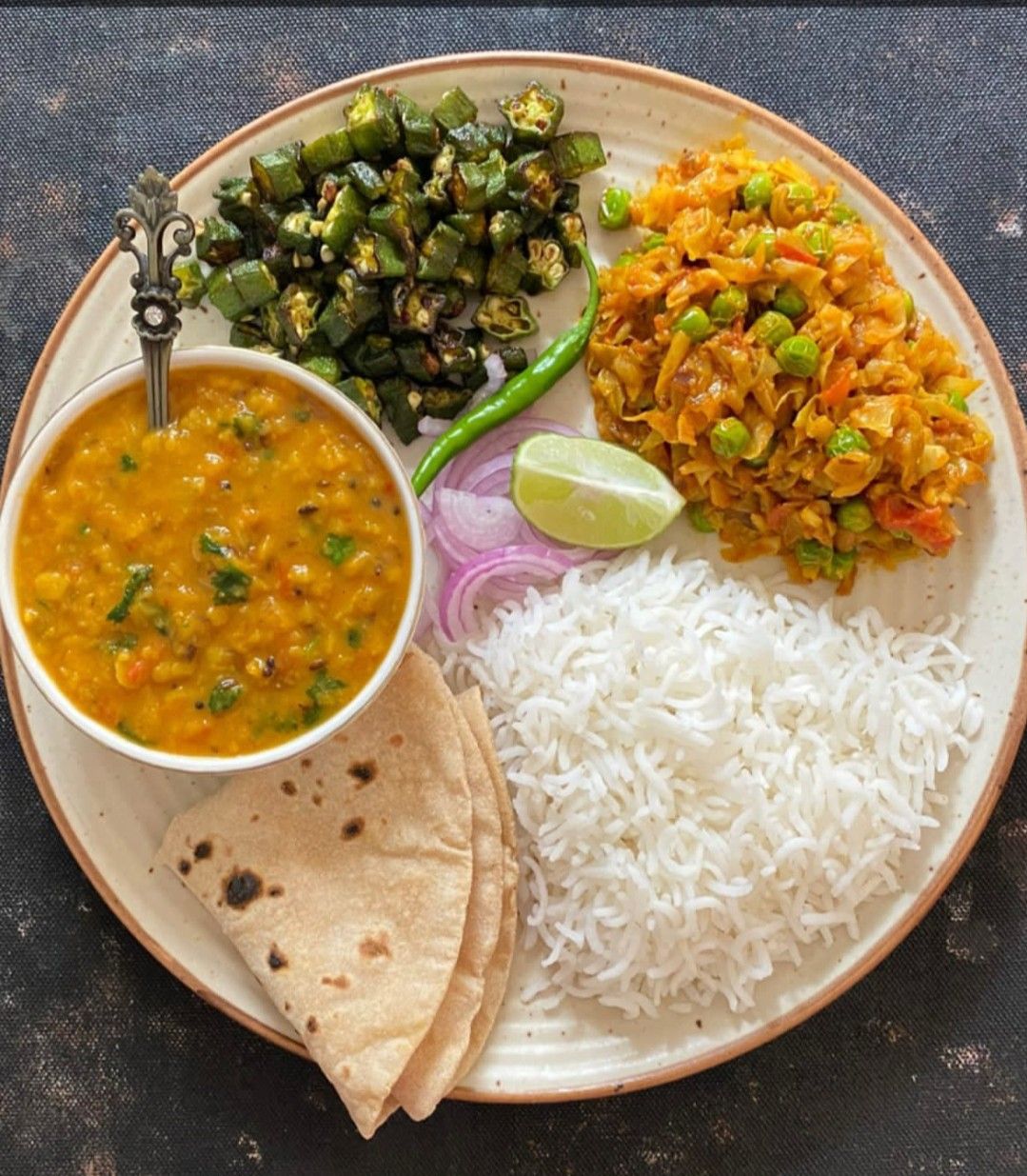
Half the plate for produce you actually enjoy, a quarter for a protein you can find reliably, a quarter for grains or roots you already know how to cook. The order is a visual—not a law when the week already handed you a one-pot night.
Hydration without a lecture
Water is the default line in the day. If you add sparkling tea or coffee, the question is only whether the total still leaves room for a glass of plain water you will actually drink in heat.
Snacks with a through-line
Pair fruit with a fat or protein you handle well if you need the afternoon to feel less spikey. The pairing is a pattern, not a claim about an outcome for any one person.
Label order and allergens
Ingredients are listed in weight order; allergen callouts are there for a reason. When a name is new to you, note it and look it up when you are not standing in a rush aisle.
Cooler and car time in Houston
Ice packs and shaded seats matter in summer. We mention time in the car because a long errand can change what still counts as a safe return for certain items—not because we are giving food-safety law for every case.
One new ingredient a week
Variety grows when you can name what you actually did with a leaf or a spice. If a week is heavy, skip the experiment and return when curiosity returns.
Grocery list without a contract
A good list is a set of options you can cut in the aisle. We show sketches with citrus or roots so you can swap in what looks better that day, or what your household already has half-used in a drawer. If a line feels like pressure, delete it. The only failure mode we care about is a plan so tight that a single change ruins the week.
Batch cooking appears on many blogs as a full Sunday project. Here, “batch” might mean: cook one pot of a grain, wash three vegetables, and stop when that matches the energy you have. The fridge should still have visible air between containers so the week stays readable at a midnight glance.
For people sharing a kitchen, we suggest color labels or a single shelf for “use first” rather than a long chat every night. The goal is a shared map, not a new meeting.
When the clock is short
Rinsing first, heating second, and chopping only for the next two moves keeps a small amount of time from turning into a pile of dishes. If you have twelve minutes, you are not being asked to stage a full recipe—only to set the order so the wrists and eyes get a break between tasks.
Checkpoints you can run any day
Refrigerator scan
Move the soonest date forward in sight. If something will not be cooked, note whether it can freeze or if it should be composted in line with your building rules.
One new ingredient
Herb, green, or whole spice—one addition per week keeps curiosity without crowding the budget. Skip weeks that are already loud.
Optional taste note
One line on texture or heat level is enough to remember a win; no journal requirement.
Where we stay careful with language
We do not name outcomes you should expect from a specific food, dish, or habit. We describe ingredients, preparation, and the kind of week where a pattern might be easier to test. If you are navigating anything that needs clinical support, a licensed provider in your state or country is the channel—not an extended Q&A by email on this site.
If you are exploring collaboration or information requests →